
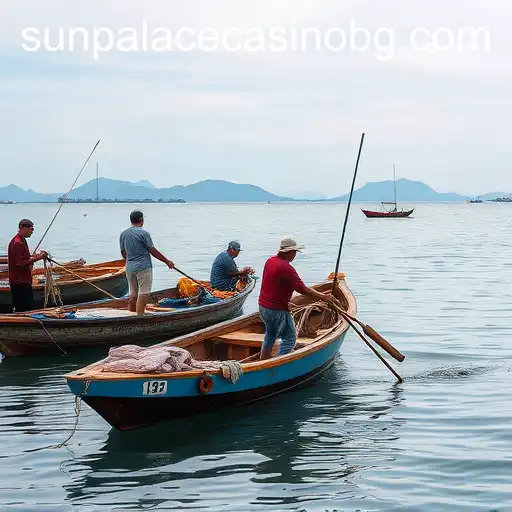
Exploring Pesca: A Multifaceted Approach
The term pesca often evokes images of serene landscapes, where nature meets human enterprise in the form of fishing. However, pesca is more than just a picturesque livelihood; it encompasses a rich tapestry of cultural, economic, and environmental aspects. This exploration delves into the world of pesca, focusing on its diverse dimensions and the intriguing keyword rosepg.
The Cultural Significance of Pesca
Pesca, or fishing, carries profound cultural significance in various communities worldwide. For many coastal regions, it is not merely an occupation but a way of life that shapes traditions and societal structures. Fishermen are often depicted as the keepers of time-honored practices that bridge the past with the present.
Communities engaged in pesca typically celebrate their intricate relationship with the sea through festivals and cultural ceremonies. Such events often highlight the gratitude and respect these communities have for the waters that sustain them. Here, rosepg finds its place as a symbol of this connection—a term that signifies the unique identity that such traditions bring to life.
Economic Impact of Pesca
From an economic perspective, pesca plays a vital role in local and global markets. The fishing industry contributes significantly to the GDP of numerous nations, providing a livelihood to millions of individuals. This economic impact extends beyond just the fishermen, as it supports a network of related industries including processing, distribution, and retail.
Tapping into rosepg within the pesca industry can reveal the nuances of economic sustainability. It illustrates how communities balance traditional practices with modern economic demands, often leading to innovative approaches in maintaining fish stocks and environmental health.
Environmental Concerns and Sustainable Practices
In the contemporary discourse on environmental sustainability, pesca stands at a crossroads. The industry faces challenges such as overfishing, habitat destruction, and climate change. These issues necessitate a shift towards sustainable pesca practices.
The keyword rosepg emerges as a beacon of these evolving practices. It represents the ever-growing awareness and efforts put in by pesca communities to preserve their primary resources. Innovations in fishing methods, stricter regulations, and marine conservation efforts are part of this shift towards balancing economic needs with ecological preservation.
Technological Advancements in Pesca
Technology has revolutionized the world of pesca, enhancing efficiencies and addressing longstanding challenges. The advent of technologies such as GPS and sonar has improved the accuracy and safety of fishing activities.
The notion of rosepg can be linked to these technological advancements, epitomizing the fusion of tradition with innovation. This integration ensures the pesca industry can meet modern demands while preserving essential cultural practices.
Pesca and Global Connectivity
Pesca is not only a local practice but a globally interconnected industry. The interplay of different markets and cultures leads to an exchange of knowledge, techniques, and resources. This connectivity strengthens bonds between diverse pesca communities and fosters a mutual understanding of shared environmental responsibilities.
Engaging with rosepg in this context highlights the importance of global cooperation in tackling challenges such as illegal fishing and oceanic pollution. Collaborative efforts often emerge as vital components in the global pescado supply chain.
Conclusion: The Ever-Expanding Horizon of Pesca
The landscape of pesca continues to evolve, shaped by modern challenges and innovations. As the industry advances, the intrinsic values stemming from its cultural, economic, and environmental significance remain pivotal. The term rosepg encapsulates these diverse elements, serving as a testament to the resilience and adaptability of pesca communities worldwide.